- Purchase costs and pallet availability
- Durability and strength of the pallet
- Maintenance costs of industrial pallets
- Pallet weight and load capacity
- Impact on the environment
Choosing between wooden and plastic pallets is a dilemma for many logistics companies, which translates into years of use. A pallet is not only an element that facilitates transport - it is an investment that affects durability, safety, ecology and operating costs. Is it worth choosing a cheaper wooden pallet or is it better to invest in a more durable plastic? Let's take a closer look at these two solutions and see how they differ in terms of long-term operating costs.
Purchase costs and pallet availability
If you’re looking for an initial budget, wooden pallets may seem like the obvious choice. Wooden pallets start at around $50, as they’re relatively cheap to make and easy to find. Wood is a common raw material, and platforms are widely used around the world, so availability also works in their favor. However, a lower initial price often means additional expenses in the long run.
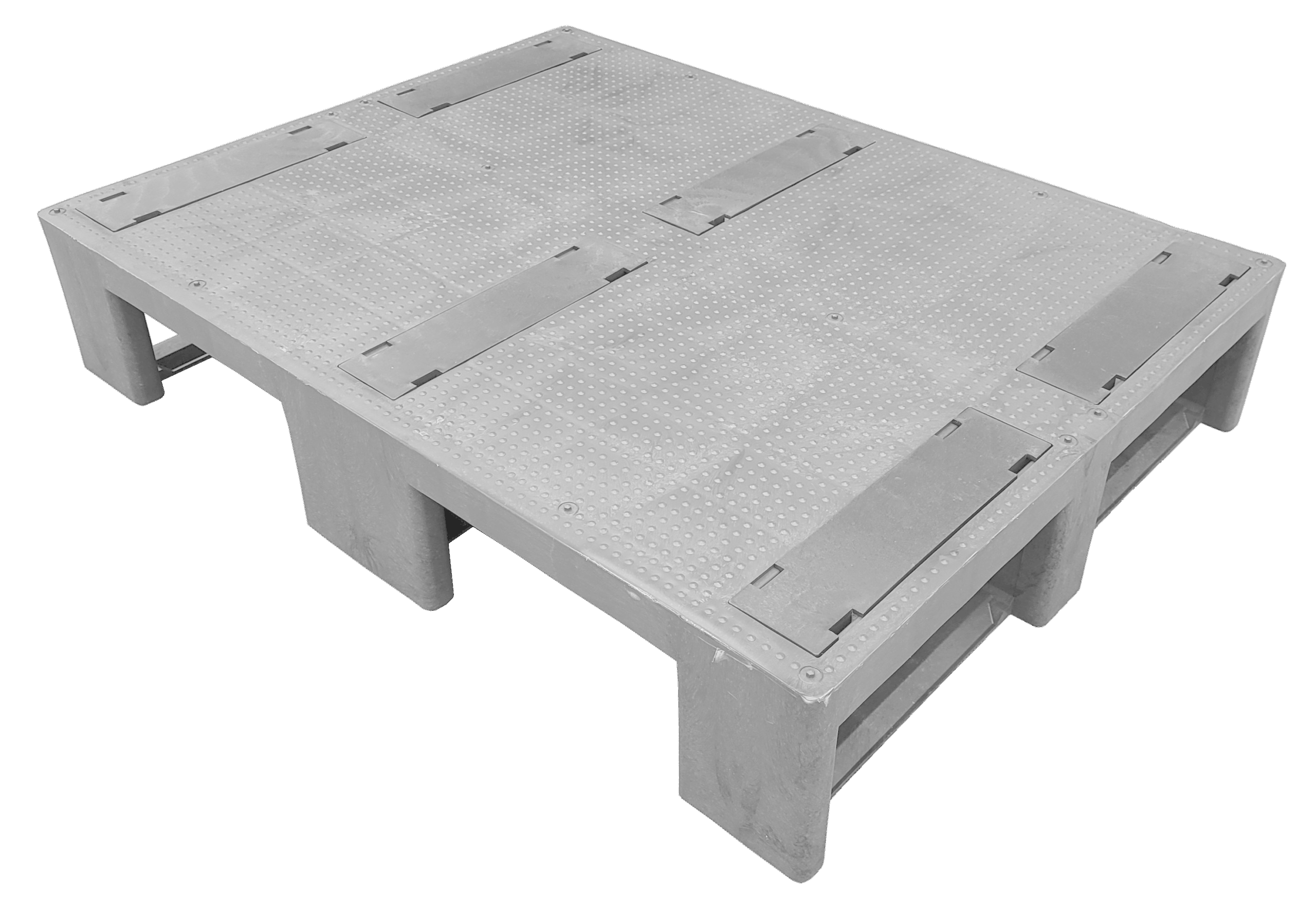
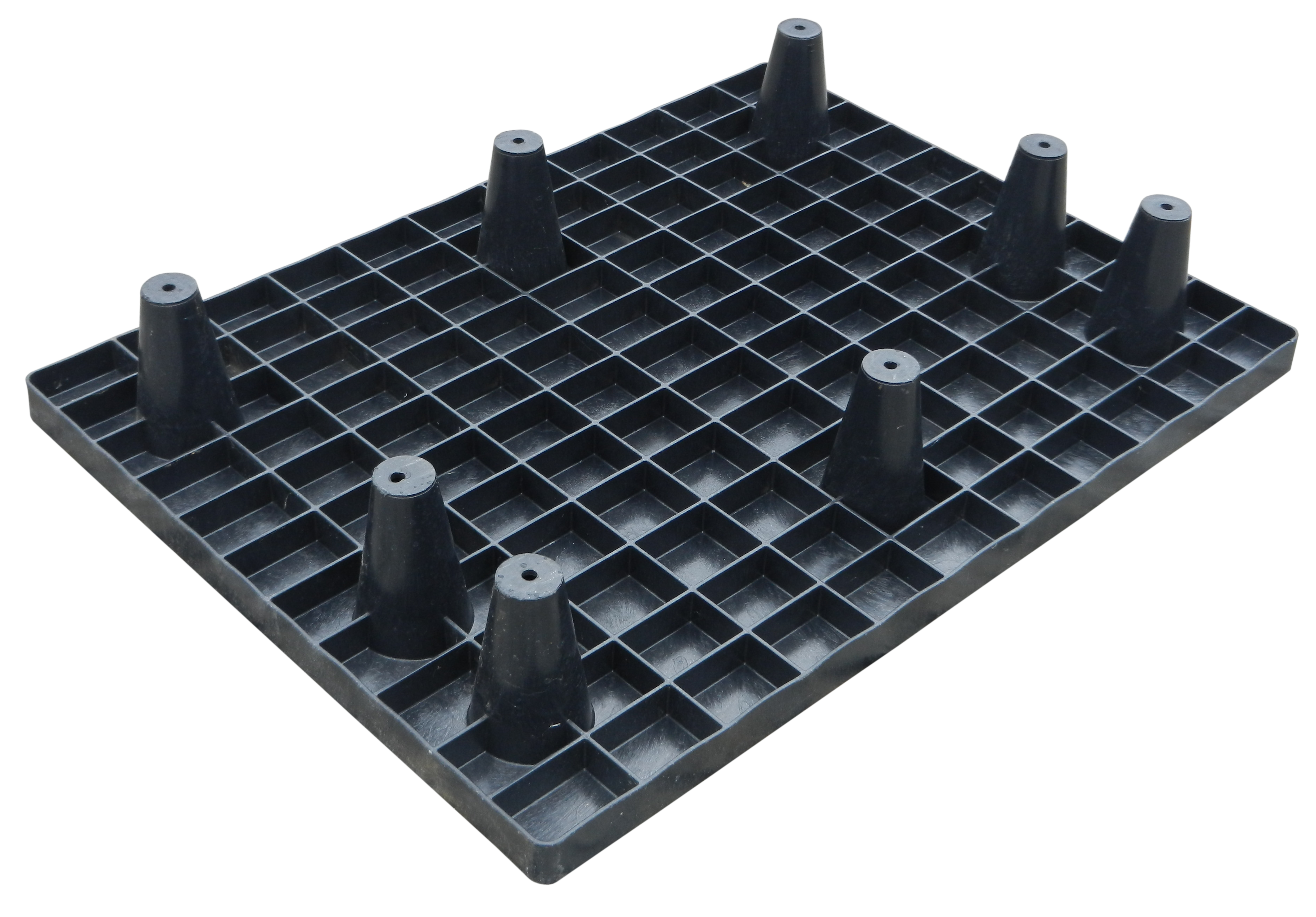
Plastic pallets are a long-term investment – their initial price is higher (ranging from 80 to 300 PLN), but they offer greater durability and stability. The price stems from more advanced production technology and materials, which translate into longer lifespan. Companies that choose plastic pallets typically benefit in the long run – especially where durability and stability are key.
Durability and strength of the pallet
Wood naturally wears out faster than plastic. Wooden pallets are susceptible to moisture, impacts and changing weather conditions, which shortens their lifespan. After several months of intensive use, they often require repairs, and their surface may show signs of damage, such as cracks and dirt. This not only affects aesthetics, but also safety. Damaged pallets pose a risk, especially in high-bay warehouses.
By choosing plastic, you gain long-lasting durability. Plastic pallets are resistant to moisture, chemicals, and harsh weather conditions, giving them an average lifespan of around 7 years. The plastic surface does not crack, does not absorb moisture, and is easy to clean. This eliminates contamination problems and makes them suitable for industries requiring high levels of hygiene.
Maintenance costs of industrial pallets
Maintaining wooden pallets can be time-consuming and expensive. Frequent replacement of boards, reinforcements, and crack repairs incur additional costs. Fumigation is required for international transport, while plastic pallets do not. This makes them ideal for exporting goods, for example, by sea.
Plastic pallets are virtually maintenance-free. Thanks to their design and durability, maintenance is limited to regular cleaning. The plastic surface does not delaminate or deform, so they remain stable throughout their lifespan.
Pallet weight and load capacity
Wooden pallets weigh more, which can increase shipping costs, especially in air freight where weight is key. However, despite their weight, these pallets have a high load-bearing capacity, making them suitable for transporting heavy goods. However, when transporting long distances, their weight can increase costs.
Plastic pallets are lighter, significantly reducing transportation costs, especially over long distances and by air. They offer a similar load capacity to wooden pallets, making them a favorable choice where lightness and cost savings are paramount. Plastic pallets combine lightness with durability, a significant advantage in international transport.
Impact on the environment
Wood is a natural and biodegradable resource, but the production of wooden pallets contributes to deforestation. The advantage is that wooden pallets can be easily recycled or used as fuel at the end of their life. However, their shorter lifespan means they need to be replaced more often.
Plastic pallets can be made from recycled materials, thus reducing the amount of new raw materials used. Although plastic is more difficult to biodegrade, its longer lifespan and resistance to wear mean it requires fewer replacements. Therefore, they reduce the overall environmental impact.
Related entries:
- Is it worth investing in plastic pallets?
The value of plastic pallets is found in long-term benefits that go beyond... - Longer service life of plastic pallets
Plastic pallets are reliable and economical in long-term use, which makes... - Are plastic pallets weather resistant?
Discover the key reasons why you should consider switching to plastic pallets, especially... - 10 benefits of using plastic pallets in logistics
Choosing the right pallets for transporting loads is of great importance for efficiency and... - Facts and myths about plastic pallets
We debunk myths and present facts that confirm the usefulness of plastic pallets...